Home › Interior Remodeling › Inglewood
Inglewood interior remodeling contractor
Many Inglewood, CA homes from the 1920s still have oak floors, plaster arches and a fireplace worth saving under decades of carpet and paint. Los Angeles Home Remodelers, working in Inglewood as a design-build interior remodeling contractor, restores or replaces what’s there: oak and tile floors, plaster and drywall, paint, doors, closets and fireplace surrounds.
One project manager leads every trade and files any plumbing, electrical or mechanical permit with the Building Division through its Citizen Portal; painting itself is exempt. Most one-room projects here run from several days to about two weeks. The first visit is free, and it ends with an itemized estimate on paper.
Bonded & Insured | Written Workmanship Warranty
We’ll look under the carpet, tap the plaster and check the fireplace. No charge.
Thanks — we got your request. We'll call you to set up your free in-home visit.
Interior remodeling in Inglewood
Serving Morningside Park, Fairview Heights, Inglewood Knolls and homes across Inglewood, CA.
Interior remodeling in Inglewood starts with deciding what to keep. A 1920s Spanish-style house often has oak floors, arched openings and a tiled fireplace that come back well with refinishing, so we price restoring them before replacing anything.
Inglewood grew fast from 1908 into the 1920s, then again with postwar tracts such as Inglewood Knolls, built in 1953 and 1954. Each era hides something different: plaster and old oak in the older homes, a slab and dated tile in the newer ones.
Many homes here also went through the LAX-funded sound insulation program, which typically added double-paned windows, solid-core doors and attic baffles. We plan around that work, so your remodel keeps the quiet you already have.

Restore or renew
Hardwood leads, because so many Inglewood homes already have it under the carpet.
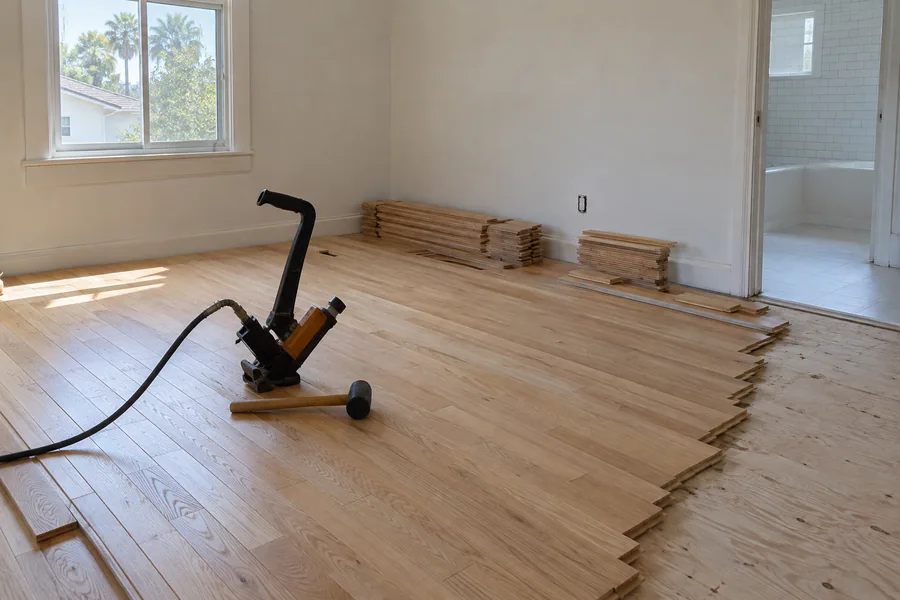
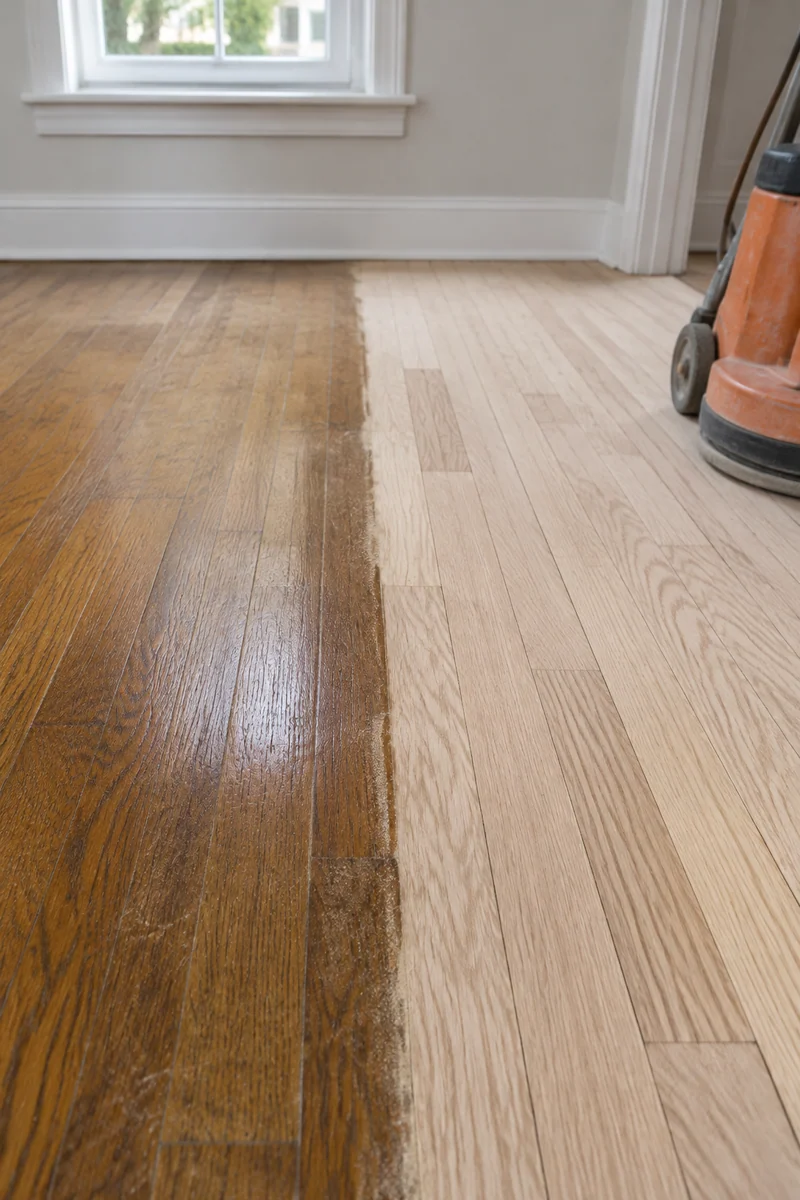
Pull back the carpet in a Morningside Park or Century Heights house and you’ll often find oak. If the boards have enough wood left, we sand, weave in matching boards and refinish. If they don’t, we lay new hardwood that suits the house.

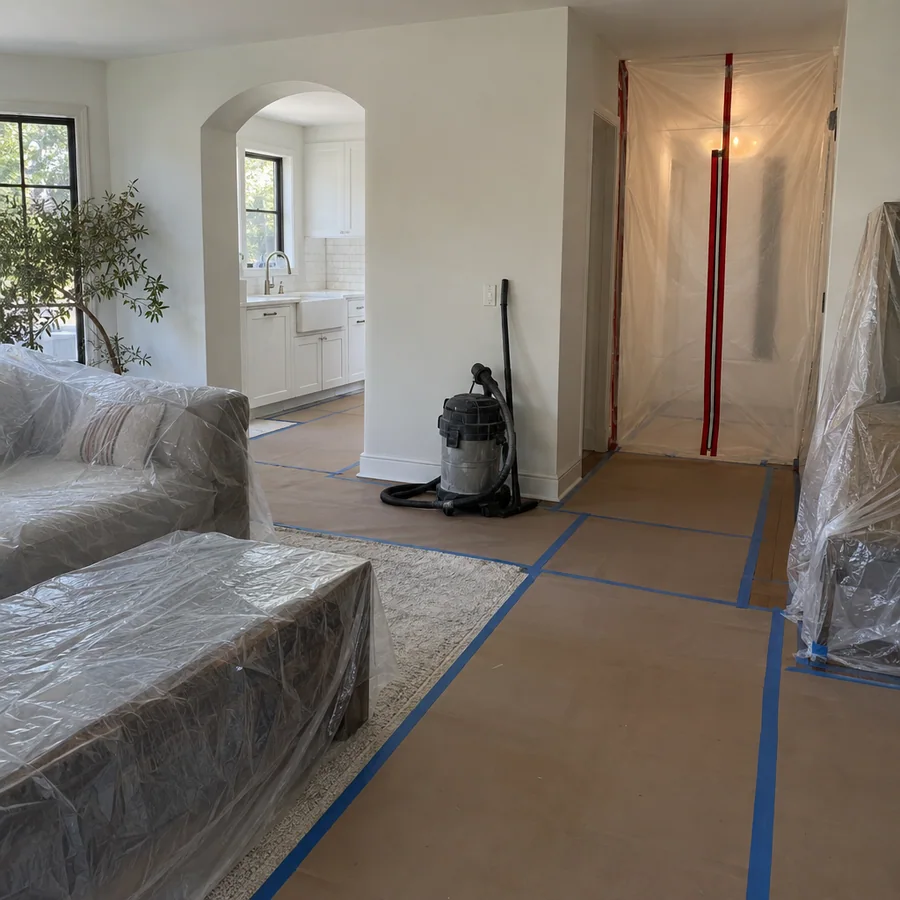
You won’t need a city permit for interior painting in Inglewood, yet old plaster and older paint still call for care. We fill cracks, prime and, in homes built before 1978, prep under EPA lead-safe practices before the first coat goes on.
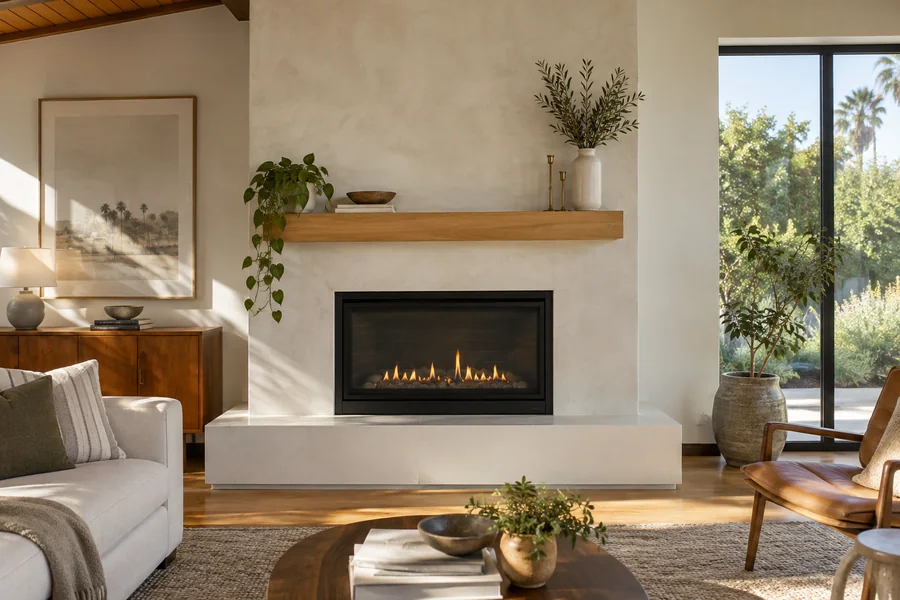
In many 1920s homes here, the fireplace is still the living room’s centerpiece. We reface worn tile or brick, rebuild mantels and convert fireboxes to gas inserts, with the chimney inspected first and the gas line permitted.

Older Inglewood houses mix plaster walls with drywall patches from decades of repairs. We skim the patchwork into one smooth surface, rebuild cracked arches and match the texture wherever a full skim isn’t needed.

Openings in a century-old house are rarely square. We plane and rehang original doors that still close true. If one has warped past saving, a new door with the same panel style takes its place, with hardware that suits the house.

Postwar tract homes in Inglewood Knolls often have worn tile in the entry or hall. We take it up, after a lab test where the age calls for one, then set porcelain flat and flush with the floor in the next room.
How it works
You’ll know what’s worth saving, and what each option costs, before any demo.
Send the rooms, the year your home was built if you know it and a few photos.
We check under carpet corners, tap plaster for loose spots and look over the fireplace and chimney.
Your estimate shows restoring and replacing side by side wherever both make sense.
Plaster and drywall first, then paint, floors and trim, with a walk-through at the end.
Inglewood’s Building Division exempts painting and wallpapering from permits, so a repaint goes straight to work. Plumbing, electrical and mechanical changes each need their own permit unless exempted, and we file them through the city’s Citizen Portal.
Inglewood has no historic preservation ordinance, so interior choices stay yours, even in its oldest neighborhoods. That freedom cuts both ways: no commission protects the original oak and plaster, so we flag what’s worth keeping before you decide.
Original finishes
Inglewood’s 1920s homes were built with materials that are hard to buy today: dense oak flooring, three-coat plaster and solid wood doors. Keeping them usually costs less than replacing them, and it suits the house better.
Here’s what we assess before recommending anything new:
Where restoring isn’t worth it, we replace in kind: new oak woven into the old, or a new door with the same panel profile.
Flooring installation in Inglewood Knolls and other postwar tracts follows a different checklist, built around the concrete slab and any old floor tile on it.
Interior remodeling cost
Restoring original finishes often costs less than replacing them, until hidden damage turns up.
We price the restore and replace options side by side, so you choose with the numbers in front of you.
Thin, cupped or pet-stained oak may need new boards woven in.
Loose plaster and cracked arches take more prep than drywall.
Pre-1978 paint adds containment and cleanup time to every room.
A gas insert adds a permitted gas line and a chimney inspection.
Refinishing a connected floor in one pass costs less per room than room by room.
One free visit checks the oak, the plaster and the fireplace, then prices restore against replace. No obligation.
Questions
Permits, old oak, plaster and the sound program, answered for Inglewood homes.
Call and describe the house; we’ll tell you what to look for.
Often, yes, unless hidden damage turns up. Floor condition, plaster repair and lead-safe prep move the number most. Your estimate shows both routes, room by room, after a free look at the house.
No. Inglewood exempts painting and wallpapering from permits. Plumbing, electrical and mechanical work need separate permits, and we file them through the Citizen Portal when your scope includes any.
Usually, if the boards have enough wood above the tongue for another sanding. We check at a floor vent or threshold. If they’re too thin, we weave in new oak or replace the floor.
It doesn’t have to. The program typically added double-paned windows, solid-core doors, attic baffles and HVAC work. We leave those in place or replace in kind, and keep ceiling work clear of the attic baffles.
No. Inglewood has no historic preservation ordinance or historic districts, so no historic review applies to interior work. Trade permits still do.
Plan on several days to about two weeks for most single rooms. Floor refinishing needs drying time, and lead-safe prep adds days in pre-1978 homes. Your calendar comes in writing.
For most rooms, yes. Sanding and the finish coats close each room until it cures, so plan a night or two away if the main living areas get done together. We’ll tell you which days at the estimate.
Related pages
Refinished floors, new closets and everything between, run as one plan.
Which new floor fits where restoring the old one won’t work.
From the blog
Now booking free in-home visits
Restoring what’s worth saving and replacing only what isn’t leaves a house that still feels like itself. Book a free in-home visit to see both options priced.
Mon–Sat, 8am–6pm
We’ll check the oak, the plaster and the fireplace and price each room. Free, no obligation.
Thanks — we got your request. We'll call you to set up your free in-home visit.