Home › Interior Remodeling › Tile Installation
Tile Installation Contractor in Los Angeles
Tile installation from Los Angeles Home Remodelers gives you floors and walls set flat, straight and sealed, in porcelain, ceramic or natural stone. We’re an interior remodeling contractor laying floor tile, large-format porcelain and wall tile across Los Angeles, CA.
One project manager runs the job: we check and level the subfloor, add backer board or an uncoupling membrane, set each tile in thinset and grout the joints. Most single-room floors take about 3–5 working days, and permits come in only where the scope needs one, such as a floor-warming circuit. Your free in-home visit ends with a written, itemized estimate.
Bonded & Insured | Written Workmanship Warranty
Tell us which rooms you want tiled. We’ll check the floor, bring samples and send a written, itemized price.
Thanks — we got your request. We'll call you to set up your free in-home visit.
Tile installation, Los Angeles
Serving homes across Los Angeles, CA.
Tile installation is only as good as the floor under it, so we prep the base before the first tile goes down. You get tile that sits flat, grout lines that run straight from room to room and joints that stay put.
LA houses make that prep different on every job. A Valley ranch slab often carries hairline cracks that call for a crack isolation membrane, while a raised-floor Craftsman needs a stiff plywood subfloor before porcelain or stone goes over it.
Showers belong on our bathroom pages and backsplashes on our kitchen pages. Here, we cover tile in the rest of the house.
Tile services
Pick a new floor, a full swap or a fix. Each one starts with the same look at what’s underneath.
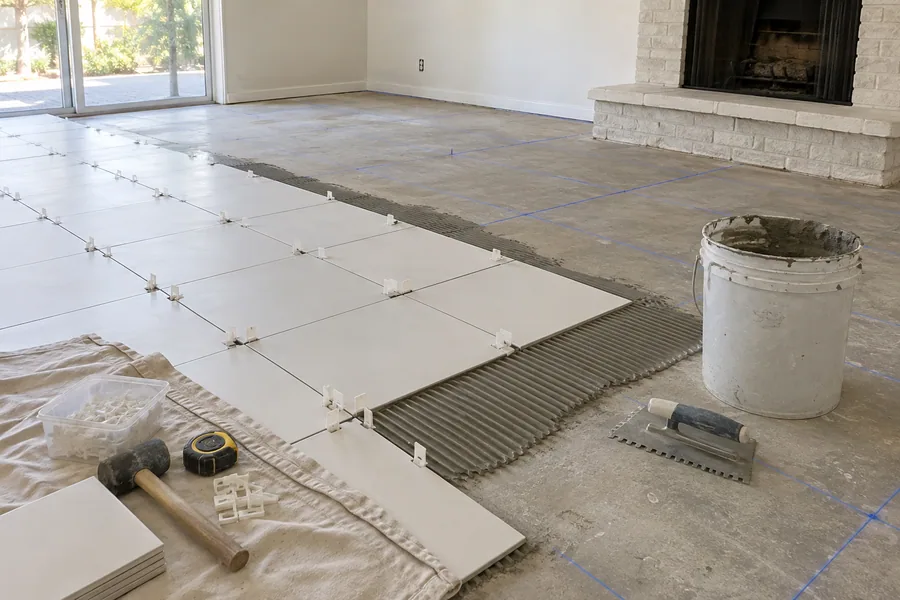
We lay new tile floors in living rooms, halls, dens, entries and laundry rooms. The layout starts from the room’s center line, so the cut pieces land against the walls where furniture hides them.
Your price covers the prep, the transition strips at each doorway and new baseboard where the old one won’t come off clean.
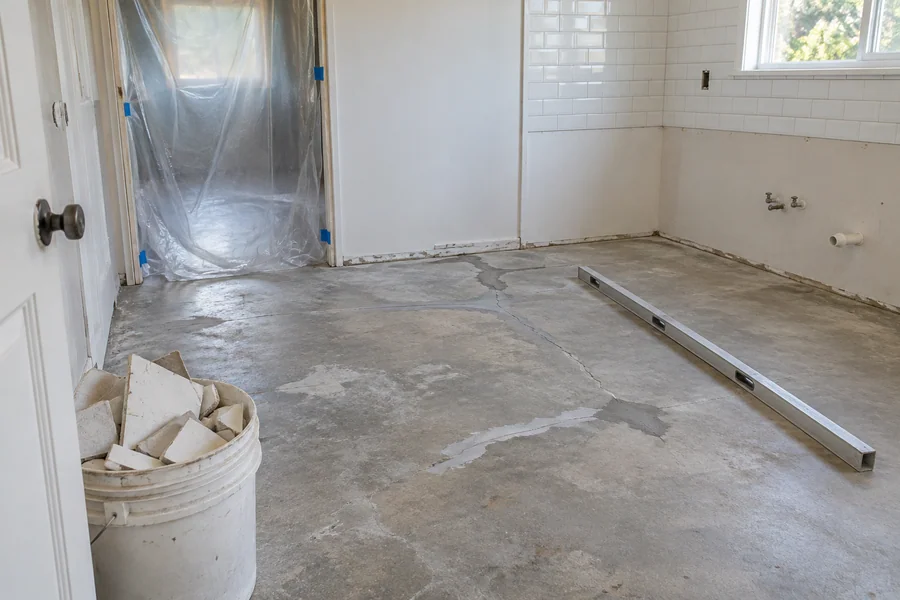
Cracked, hollow-sounding or dated tile comes up, down to a clean slab or subfloor. Older homes can hide asbestos in vinyl tile or black adhesive under the top layer, so we test before demo when the house’s age calls for it.
Then we flatten the base and set the new tile at a height that still clears your doors.
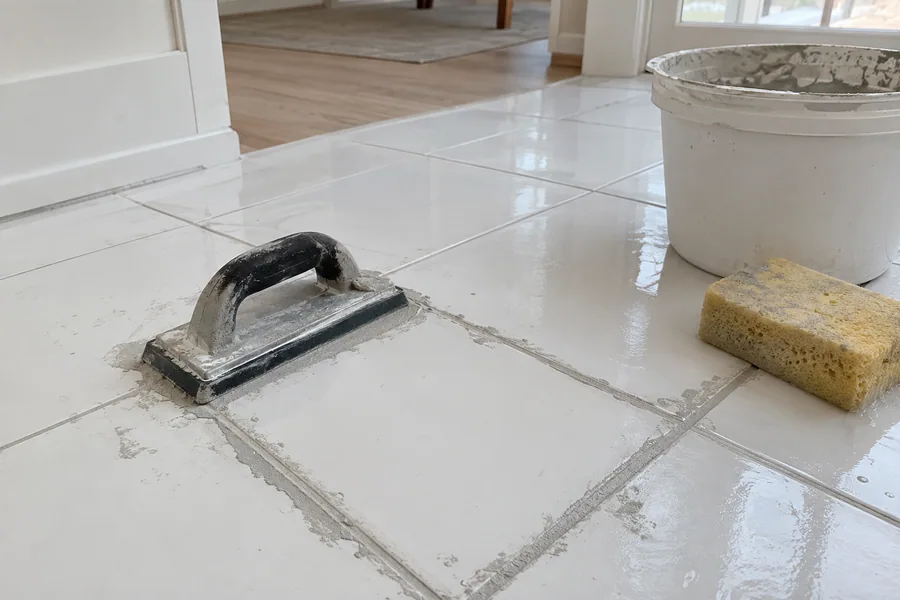
A few cracked tiles or crumbling grout don’t always mean a new floor. We cut out the broken pieces, set spares or the closest match we can source, then regrout and reseal the joints.
If the cracks come from a moving slab or a soft subfloor, we’ll say so, because new tile over the same flaw cracks again.
How it works
Four steps take a room from bare subfloor to sealed grout. Each one waits for the last to pass, because tile shows every shortcut.
We measure the rooms, check the floor for flatness and bounce, and help you pick tile, size and grout color from samples.
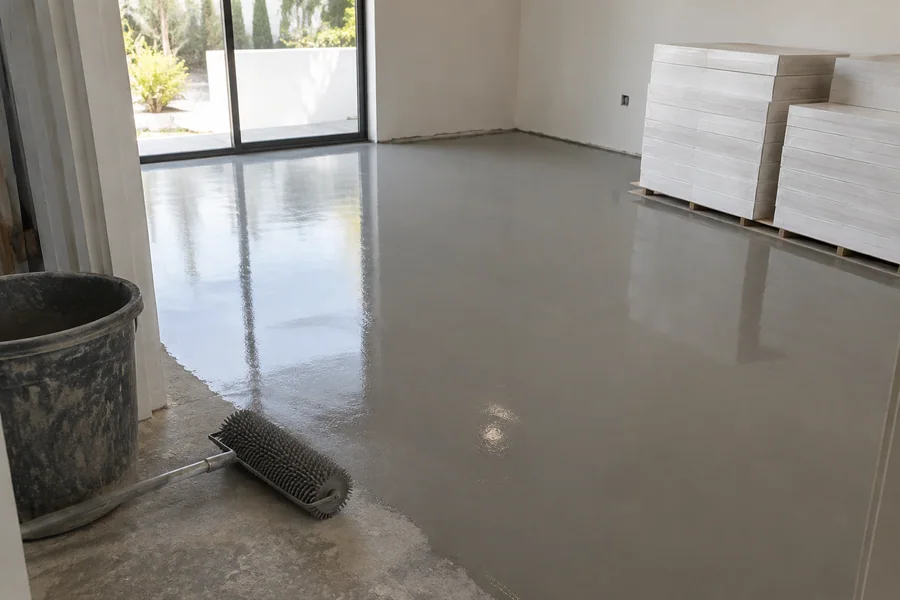
The old floor comes out. Then the slab or subfloor gets patched and leveled, and backer board or a membrane goes down.
We snap layout lines, dry-fit the first rows, then set each tile in thinset, with leveling clips on the big ones.
Grout goes in once the thinset cures. We seal stone and cement grout, reset the baseboard and clean the floor.
Where tile goes
Tile wins where floors take water, grit or heat. Here’s how we handle each spot.
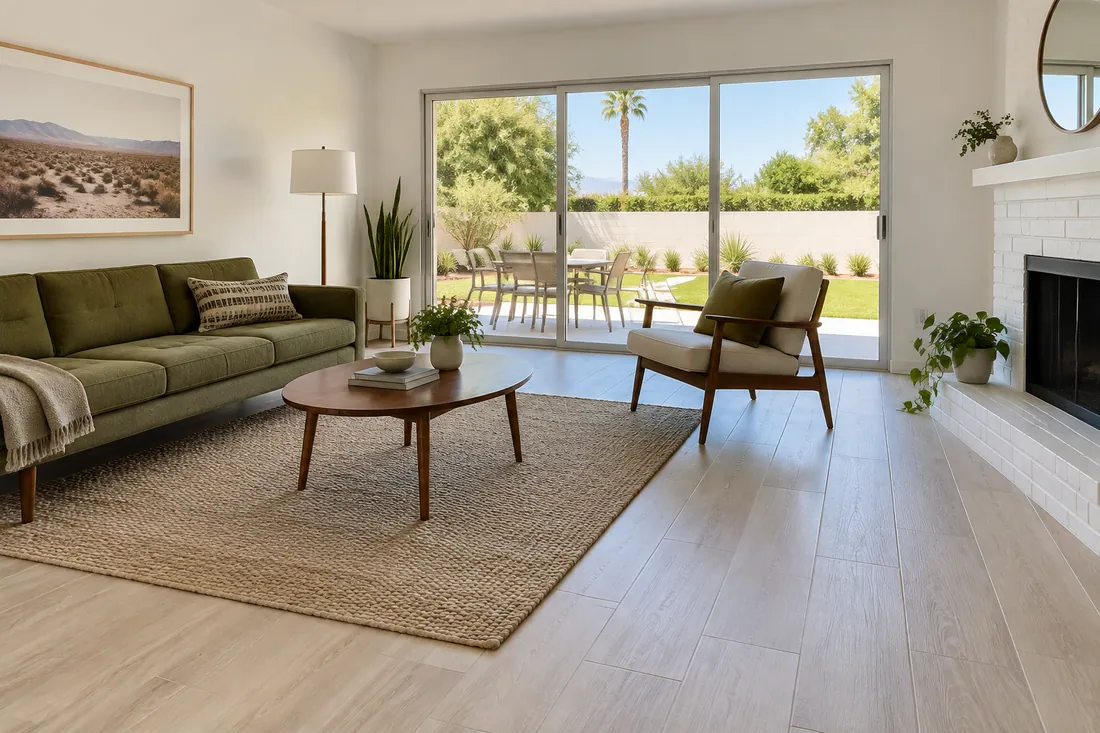
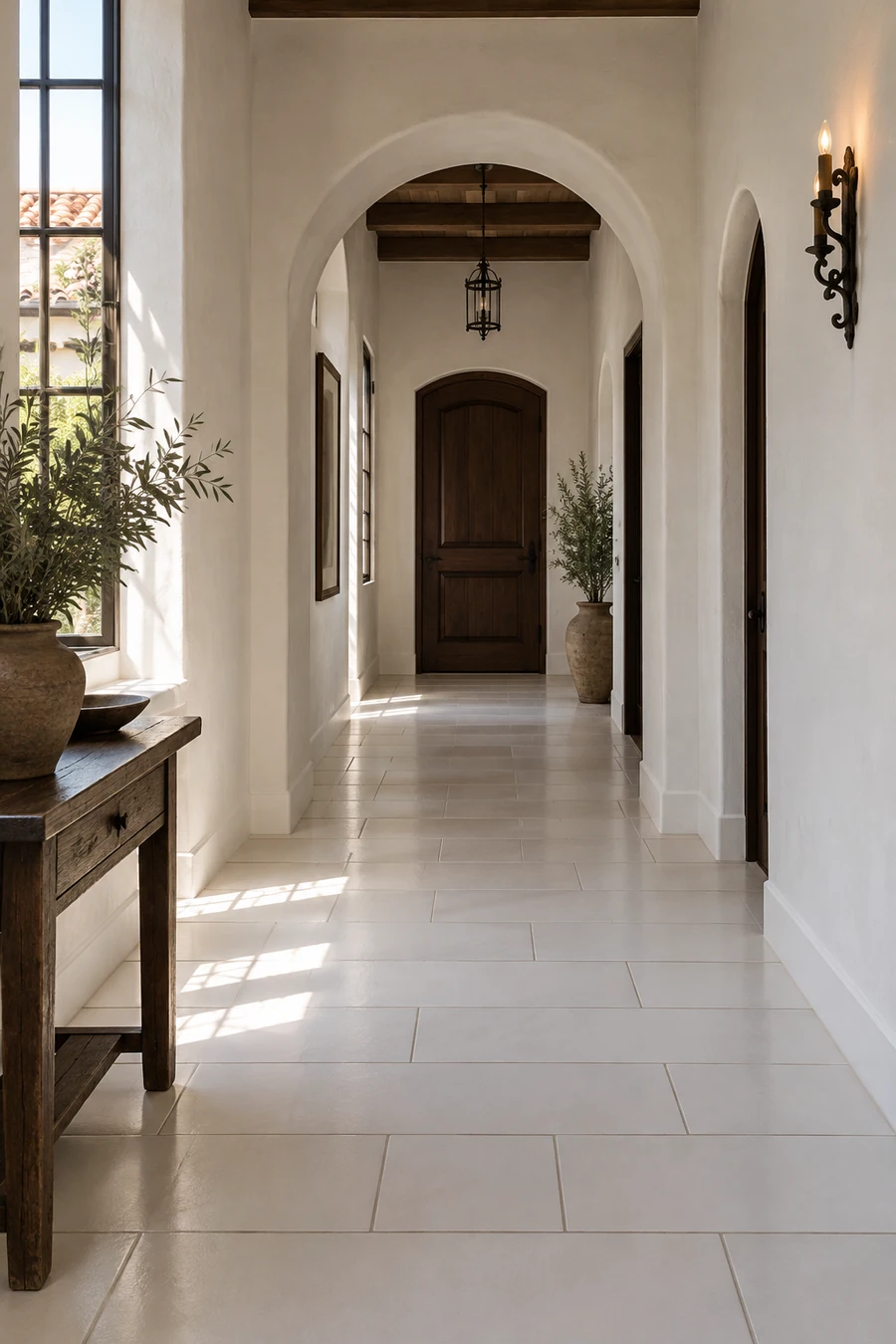
Porcelain floor tile shrugs off sand, pets and spills in living rooms, halls and dens. On a slab it stays cool through summer, which is why so many Valley ranches had tile from day one.
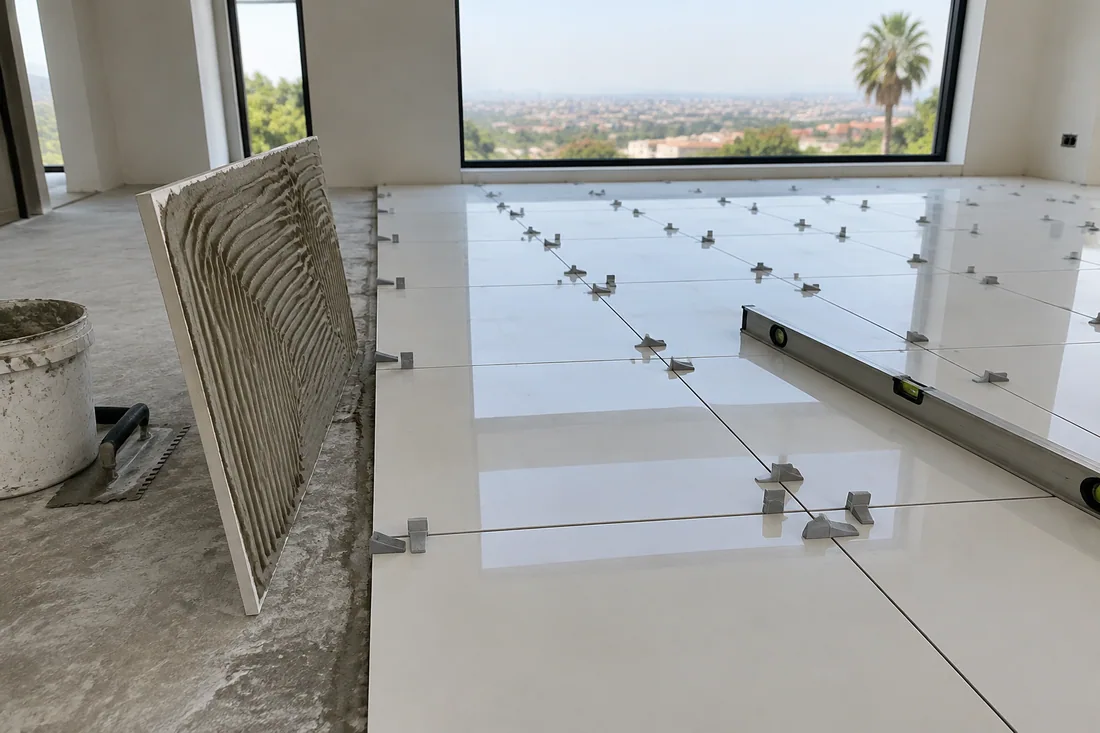
Large-format tile has at least one side 15 inches or longer, so a room gets fewer grout lines. It also shows every high spot, which means the floor has to be flatter than it would for small tile.

Wall tile adds texture to a feature wall, a stair riser or a wet bar, with less wear than a floor takes. It goes over a flat, primed wall or backer board, never straight over flaking paint.

A tile surround gives a brick or plain fireplace a new face without rebuilding it. Tile won’t burn, so it can sit closer to the firebox than wood trim. Mantels, gas inserts and full rebuilds live on our fireplace remodeling page.

Entries and laundry rooms take wet shoes, grit and the odd washer leak. A textured porcelain grips better underfoot, and sealed or epoxy grout keeps water out of the joints.
Before we set tile
Tile fails because of what’s under it far more often than because of the tile. We check the base at the free visit, so any fix shows up in your estimate, not in a change order.
Here’s what we look at:
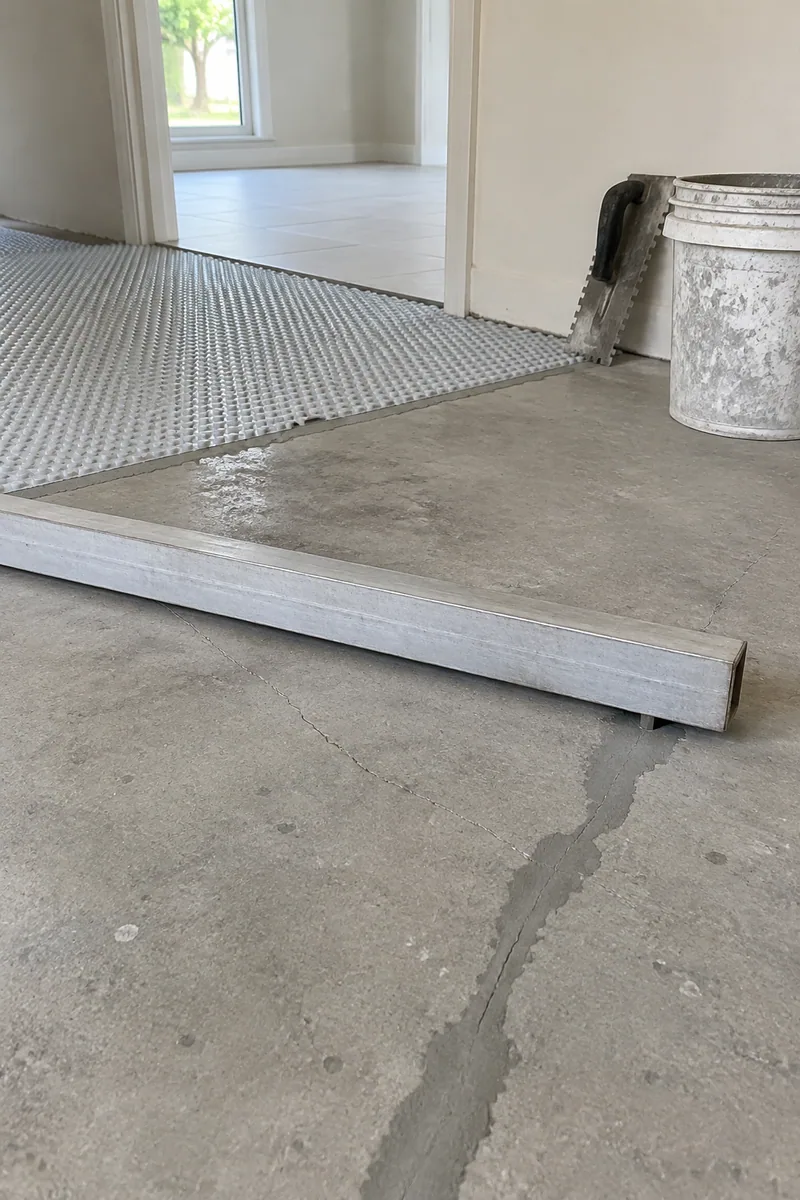
Height catches people out. New tile over backer board can sit higher than the old floor, so a door may need trimming and a transition strip has to bridge the step.
Our notes set the prep line by line. If the slab needs grinding or a self-leveling pour, you’ll see it before you sign.
Tile materials
Porcelain suits most floors in an LA house, glazed ceramic suits walls, and stone suits rooms where you want every tile to look a little different.
Tile
Best for
Watch out for
Upkeep
Porcelain
Floors, entries and large formats
Hard to cut; big tiles need a flat base
Wipe clean; the tile needs no sealer
Glazed ceramic
Walls, surrounds and light-traffic floors
Softer body chips more easily
Wipe clean; seal cement grout
Marble
Formal entries and fireplace faces
Etches from acids and scratches
Sealed at install and again over time
Travertine or limestone
Warm, matte floors in Mediterranean homes
Pits and soft spots need filling
Sealed; no acidic cleaners
Terracotta or Saltillo
Spanish Revival floors with a handmade look
Stains easily until it’s sealed
Sealed, then resealed as it wears
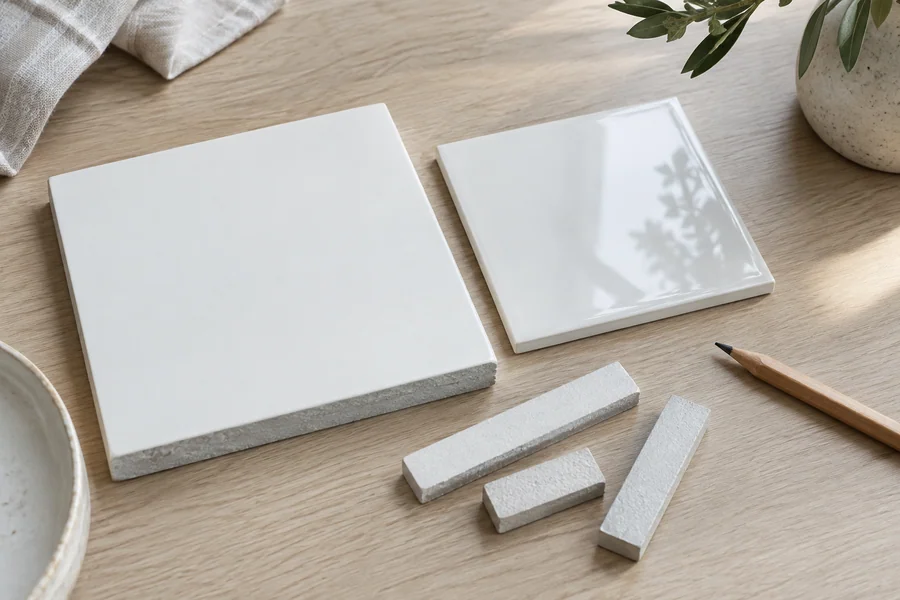
Porcelain is fired denser than ceramic, so it takes in less water and resists chips. Through-body porcelain hides a chip, because the color runs all the way through.
Natural stone cracks over a bouncy floor sooner than porcelain does. On a raised floor, we check the joists and plywood before we quote stone.
Cement grout is easier to work and needs sealing. Epoxy grout resists stains with no sealer, so we suggest it for entries and laundry rooms.
Tile from the 1920s and ’30s rarely has an exact match today. For a repair, check the garage or attic for spare boxes before we shop.
One visit shows whether your floor is ready for the tile you like, what prep it needs and how long the rooms stay closed. It’s free, and you don’t sign anything.
Questions
Short answers on timing, permits, prep and keeping tile looking new.
Call and you’ll talk to a project manager, not a call center.
It comes down to the room, the tile and the prep. Square footage, tile size and pattern, removing the old floor, and any leveling or membrane set the number. Your written, itemized estimate lists each one after the free visit.
Most single-room floors take about 3–5 working days, including removal, prep, setting and grout. Large-format tile, a self-leveling pour or stone that needs sealing can add a day or two.
Usually not for the tile itself. Building codes treat tiling as finish work, which generally doesn’t need a building permit. An electric floor-warming mat, moved plumbing or an opened wall can, so we confirm with LADBS for your scope.
Sometimes. If the old tile is flat, firmly bonded and free of cracks, new tile can go over it with the right bonding mortar. It raises the floor, though, so we check door clearances and transitions first.
Most cracks start in the base, not the tile. A slab crack that moves, a floor that flexes or tile set without full mortar contact will telegraph through. We fix the cause before we replace the tile.
Lippage is one tile edge sitting higher than its neighbor. We flatten the floor, back-butter large tiles and use leveling clips. Long planks get offset by no more than a third of their length, so any bow in the tile stays hidden.
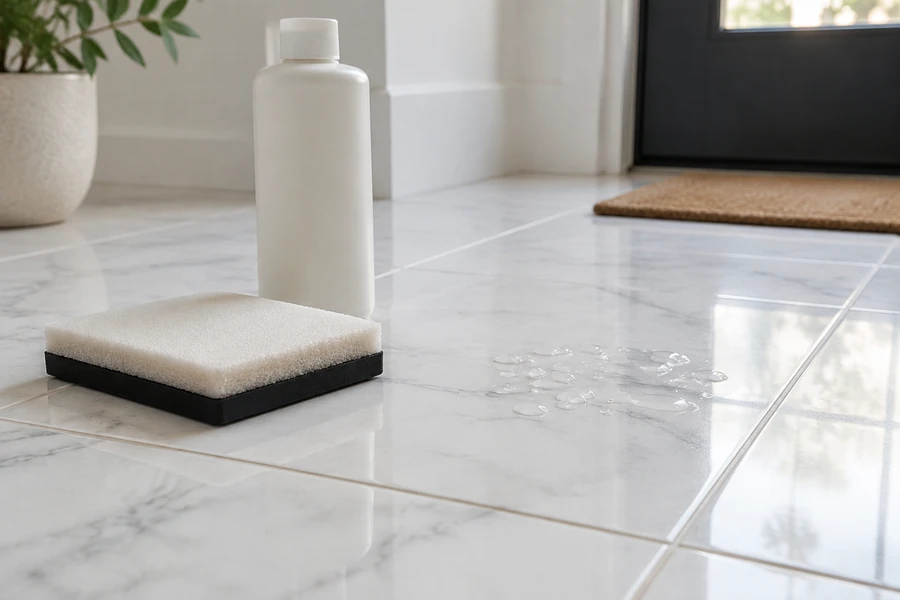
Seal natural stone, terracotta and cement grout. Glazed porcelain and ceramic need no sealer on the face, and neither does epoxy grout. We seal at the end of the job and tell you when to reseal.
Yes, in most cases. We close off the rooms we’re in, cut tile outside or under dust control and keep a path through the house. Stay off new tile for about a day while the grout sets.
Porcelain tile, for most rooms. It handles pets, sand and spills on a concrete slab or a stiffened wood floor. The table above weighs it against ceramic and stone.
More interior services
Floors, tile, paint, drywall, doors and closets planned as one job, in the right order.
Hardwood, LVP, tile and carpet compared room by room, then installed on a level base.
Waterproof vinyl plank floors installed over slabs, wood subfloors and old tile.
From the blog
Now booking free in-home visits
Tile set on a flat, solid base stays flat and cleans with a damp mop. Book your free in-home visit and leave with a floor check, tile samples and a written, itemized estimate.
Mon–Sat, 8am–6pm
We check the base, measure the rooms and price the tile work line by line. No charge, no obligation.
Thanks — we got your request. We'll call you to set up your free in-home visit.