Home › Restaurant Remodeling › Culver City
Second-generation spaces, rebuilt for you
Many downtown leases arrive with the last tenant’s hood, walk-in and bar. Los Angeles Home Remodelers, a restaurant remodeling contractor in Culver City, CA, tells you what’s worth keeping, then rebuilds the kitchen, hood and ventilation, grease interceptor, flooring, dining room and bar, storefront and patio.
Restaurant remodeling in Culver City runs through one project manager: city plan check and permits, the county health department’s food-facility plan check and landlord approvals. Licensed specialists certify the hood fire suppression, and crews work after hours or in phases. Most jobs need about 4–12 weeks on site once permits are issued, after a free walkthrough and a written, itemized estimate.
Bonded & Insured | Written Workmanship Warranty
Send the address. We’ll test what the last tenant left and tell you what it means for your menu.
Thanks — we got your request. We'll call you to set up your free in-home visit.
Culver City restaurant remodeling
Serving downtown Culver City and restaurants across Culver City, CA.
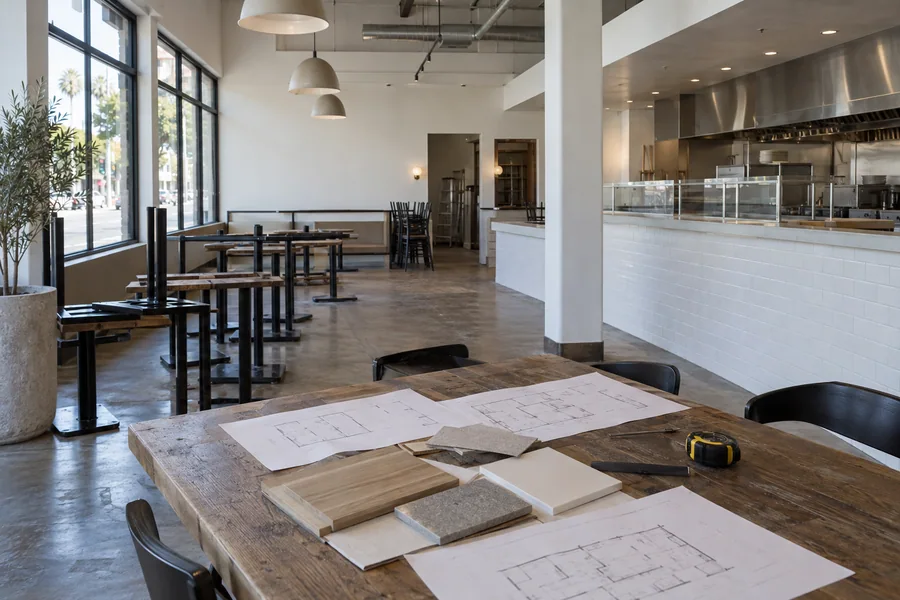
Restaurant remodeling in Culver City often starts with someone else’s kitchen. Downtown restaurant spaces often change hands, and each departing tenant leaves equipment, ductwork and drains behind.
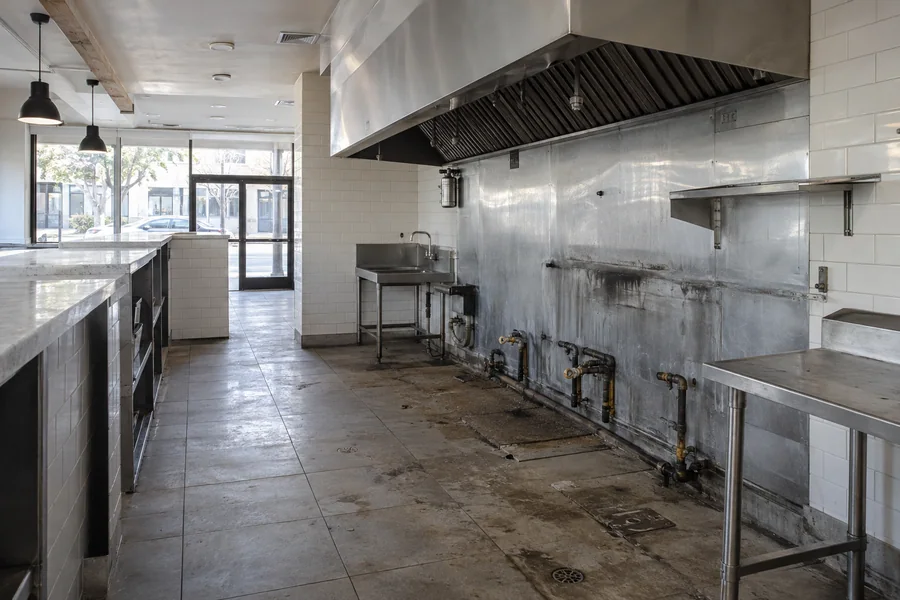
That can save you weeks, or cost you, depending on condition. A hood that’s too short, an interceptor nobody pumped or a walk-in with a tired compressor all look fine on a tour. We test them before you commit.
Then we build the rest around your concept. The lunch crowd and the dinner crowd want different rooms, and we plan seating, the bar and the kitchen line so one space handles both.
What we do in Culver City
Reuse comes first here, since so many spaces are second-generation. Each card links to a service page or opens the estimate form.

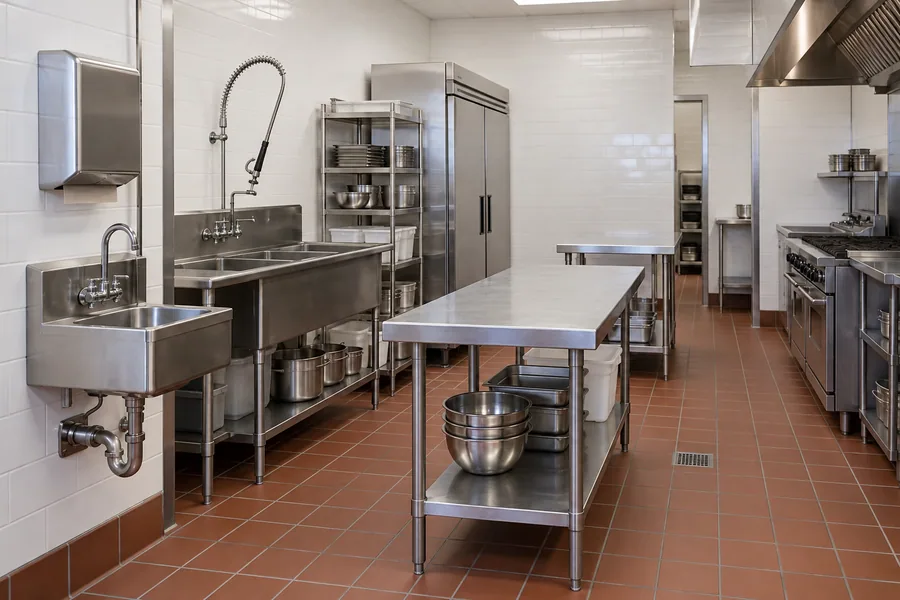
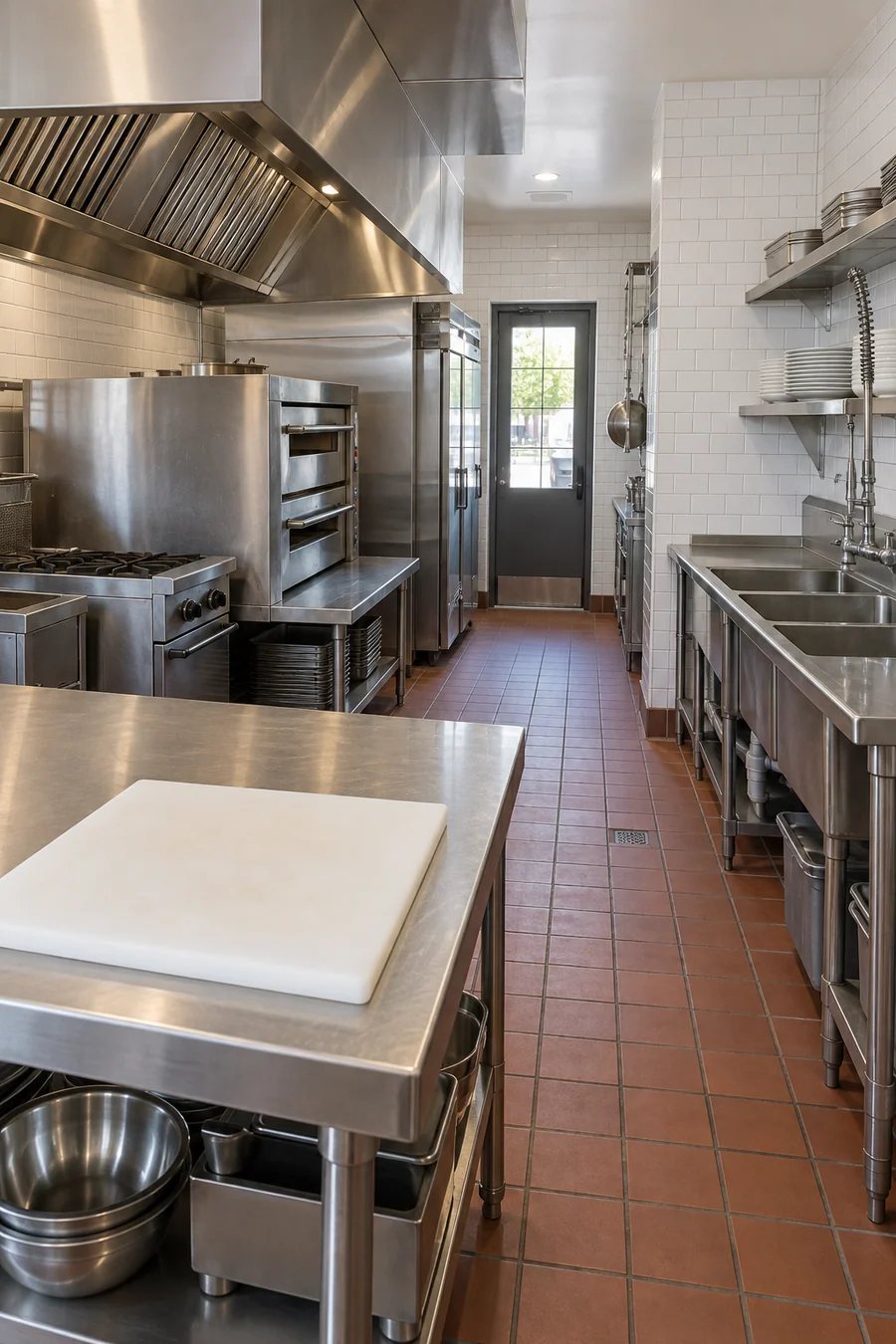
A downtown lease often comes with a hood, a walk-in and a bar someone else paid for. We test each one against your menu, report what can stay and price the rest, so you sign knowing which parts you’re inheriting and which you’re replacing.
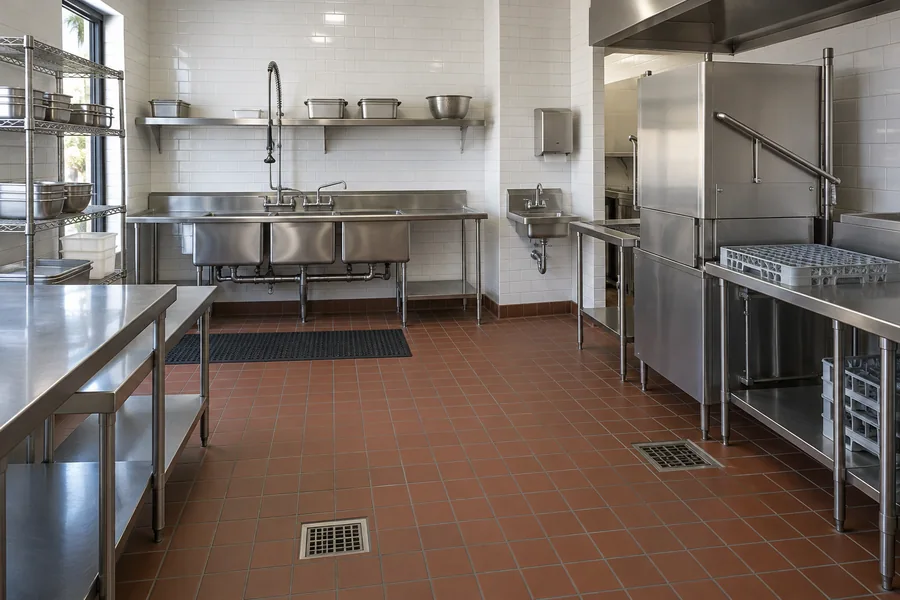
A noodle bar and a pizza kitchen need very different lines. We move stations, add or cap gas and water, and re-run circuits so the inherited room works for your menu instead of the last one.

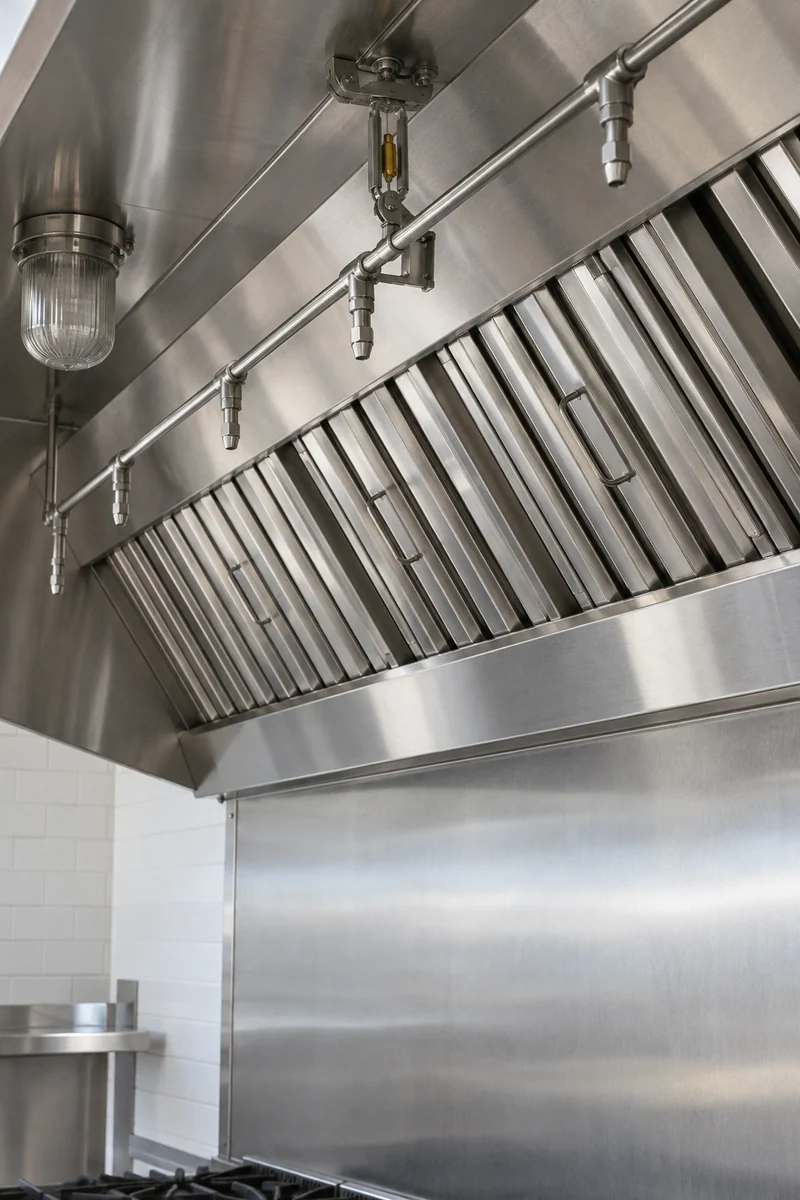
An existing hood may be too short for your line or carry an expired suppression tag. We extend, rebuild or replace it with the duct, fan and makeup air, and a licensed specialist recertifies the suppression.
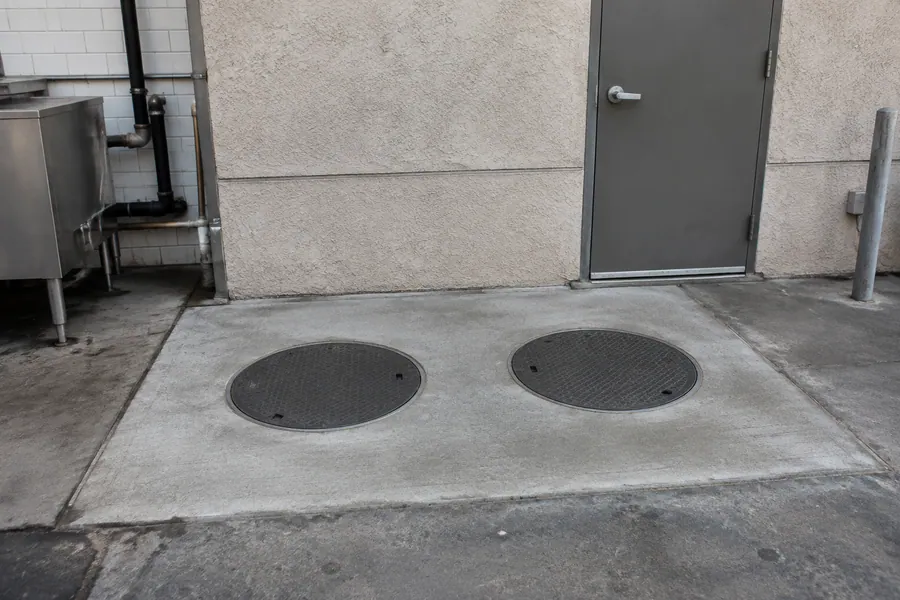
The interceptor you inherit may be undersized, buried or overdue for service. We open it, check its size and condition, and repair, replace or add to it under the sewer agency’s grease rules, which we confirm for your site.
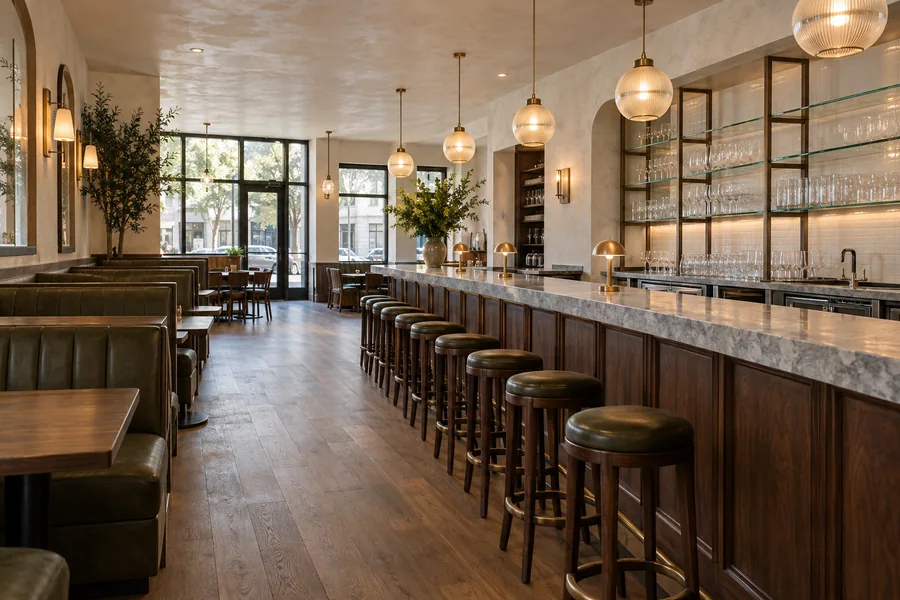
Guests should never recognize the last tenant. We strip what doesn’t fit, then build your bar, banquettes, lighting and ceilings so the room reads as yours, keeping sound bones like brick walls or a good bar die.

Culver City’s older buildings include Mission Revival and 1930s Moderne designs. We check the building’s historic tier before drawing new glass, doors, awnings or a patio, then rebuild the entry with accessibility in mind.
How it works
Your keep-or-replace list and your price come before the lease signature.
Share the address, the broker’s photos and what you plan to cook. That’s enough for us to prepare.
We read the suppression tag, measure the hood, open the interceptor and run the walk-in and dish machine.
Each item gets a verdict and a price, so you can negotiate the lease with real numbers.
After you sign, we file each trade permit on the city portal, send health plans to the county and order long-lead items.
Culver City’s Building Safety Division issues permits through the Culver City Permit Portal. A remodel or alteration needs a building permit, sinks and dishwashers need a plumbing permit, wiring changes need an electrical permit, and exhaust fans need a mechanical permit, so most restaurant jobs carry all four.
Exterior changes to a Landmark or Significant structure need Cultural Affairs staff comment and may need a Certificate of Appropriateness. The Los Angeles County Department of Public Health, Environmental Health, reviews kitchen plans, and grease rules come from the sewer agency, which we confirm for your site.
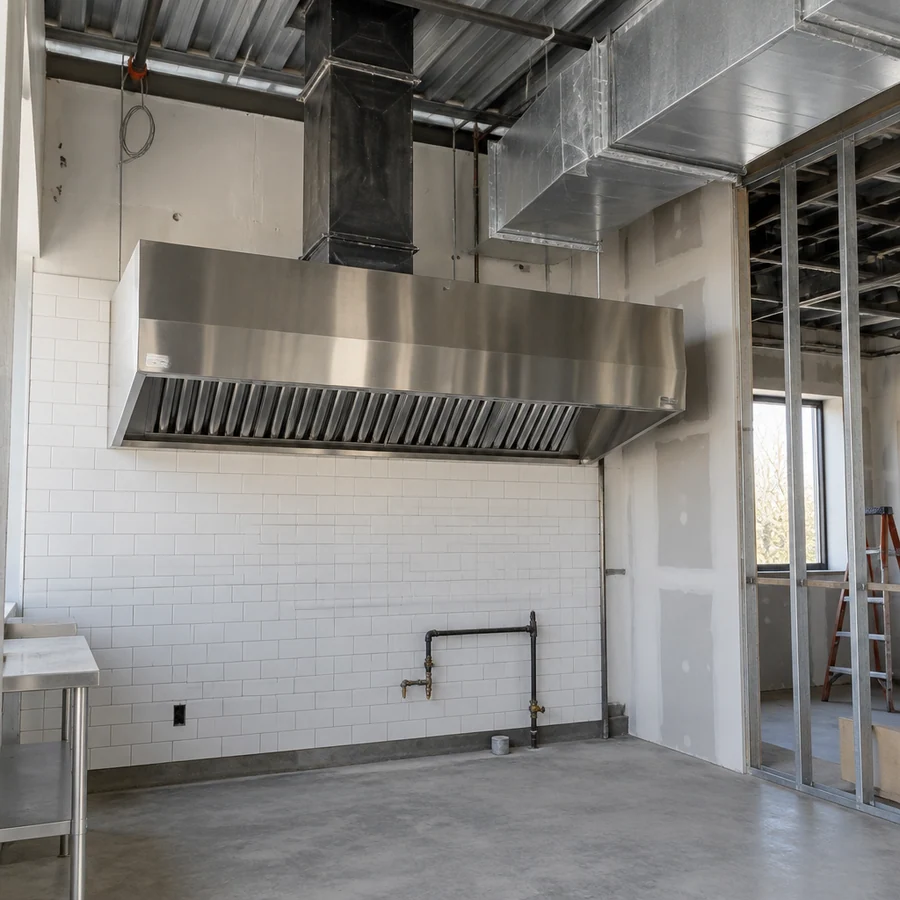
Second-generation spaces
A second-generation space is one a previous restaurant left with its kitchen in place. Reusing that kitchen can shorten your schedule, but only the parts that fit your menu and still pass inspection are worth keeping.
In an inherited space, we test:
Some parts can stay with a cleaning and a repair. Others look fine and still fail, like a hood too short for a new fryer bank.
You get our findings in writing before the lease is final, so the tenant improvement allowance and any landlord repairs can reflect what the space needs.
Restaurant remodel cost in Culver City
What you reuse sets the price more than square footage, and failed equipment flips the math quickly.
A space with a sound hood and interceptor can cost far less than one that needs both. Plan your restaurant renovation around the written, itemized estimate from your walkthrough.
Extending a sound hood costs less than a new one with its own duct, fan and roof curb.
A clean, right-sized interceptor stays; a failed one means saw-cutting and new piping.
Switching from one cuisine to another moves gas, water and power lines around the room.
Storefront changes on a Landmark or Significant building add drawings and staff review.
Stripping the last tenant’s bar, booths and decor takes crew time before new work starts.
One free walkthrough tests the hood, interceptor and walk-in and gives you a keep-or-replace list in writing. Nothing to sign.
Questions
Quick answers on trade permits, historic buildings, inherited kitchens and timing.
Yes. Culver City requires a building permit for any remodel or alteration, plus plumbing, electrical and mechanical permits for sinks, wiring and exhaust fans. We file them on the city’s permit portal and answer plan check corrections.
It might be. The city ranks structures as Landmark, Significant or Recognized. Exterior changes to the first two need Cultural Affairs staff comment and may need a Certificate of Appropriateness, while Recognized is honorary. We check your building’s tier first.
Often, if they fit your menu and pass inspection. We check the hood’s length and suppression tag and the interceptor’s size and condition, then confirm with the agencies what they’ll accept.
The Los Angeles County Department of Public Health, Environmental Health. It approves kitchen plans before construction and inspects the finished space before you open, and we book that final for you.
Most take about 4–12 weeks on site once permits are issued. Reusing a sound hood and interceptor keeps you near the short end, and replacing both pushes you toward the long end.
For dining room and storefront work, usually yes, phased after close. Kitchen work that shuts off gas, water or the hood generally needs a short closure, timed for your slowest days.
Keep reading
The main restaurant page, covering everything from a reuse refresh to a full restaurant build-out.
How we rebuild a commercial kitchen line, prep and dish area around a new concept.
Hood extensions, replacements, duct work and makeup air, with certified suppression.
From the blog
Now booking free walkthroughs
A tested kitchen means fewer surprises after you take the keys. Los Angeles Home Remodelers handles the testing, permits and build. Book your free pre-lease walkthrough.
Mon–Sat, 8am–6pm
We test the inherited kitchen, check the facade’s tier and price every line. No charge.
Thanks — we got your request. We'll call you to set up your free in-home visit.