Home › Exterior Remodeling › Roof Replacement
Roofing Contractor in Los Angeles
Roof replacement in Los Angeles gets you a new asphalt shingle, clay or concrete tile, or flat-roof membrane over sound decking, with new underlayment, flashing and vents. Los Angeles Home Remodelers does this work as your design-build exterior contractor across Los Angeles, CA.
A single project manager runs the re-roof permit with LADBS or your city, the tear-off, deck repair and inspections, and checks the cool-roof and fire-zone rules for your address before you choose. Most shingle re-roofs take a few days on site, while tile and flat roofs with deck repair run longer. Pricing starts with a free in-home visit and a written, itemized estimate.
Bonded & Insured | Written Workmanship Warranty
We inspect the roof, the attic and the flashing and give you an itemized scope at no charge.
Thanks — we got your request. We'll call you to set up your free in-home visit.
Roof replacement in Los Angeles
Serving homes across Los Angeles, CA.
Roof replacement in Los Angeles goes best when the old roof comes off to the deck, so we can fix what’s underneath before anything new goes on. As the first step of most exterior remodeling jobs, the roof goes on before the windows, stucco and paint below it.
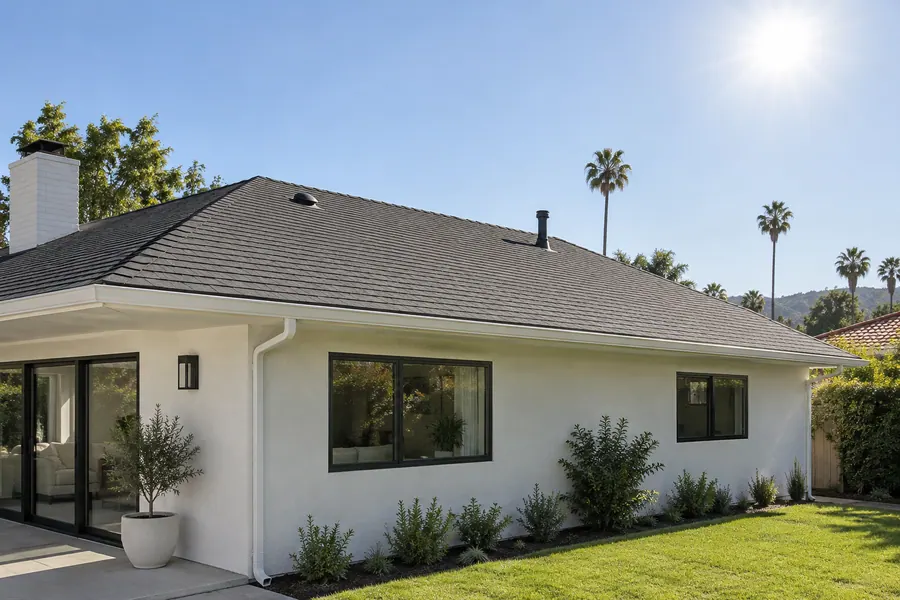
We match the roof to the house and the rules: tile for a Spanish Revival, shingles for a Valley ranch, a membrane for a flat mid-century roof, plus the fire and cool-roof requirements for your parcel.
Planning new windows or paint too? The roof goes first, so water stays out of the new work.
Roof replacement services
Pick the job your roof needs. Each one includes a deck check, new flashing and the permit inspection.
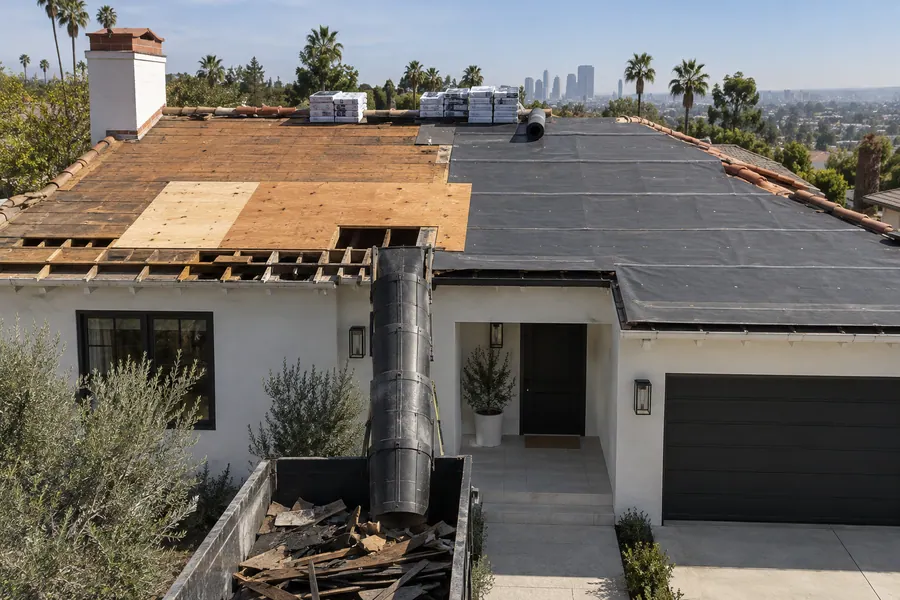
We strip the roof down to the deck, replace soft or broken sheathing, then lay new underlayment, flashing, vents and the roof covering you pick.
A full tear-off shows the deck’s real condition, so nothing new goes over a hidden problem.
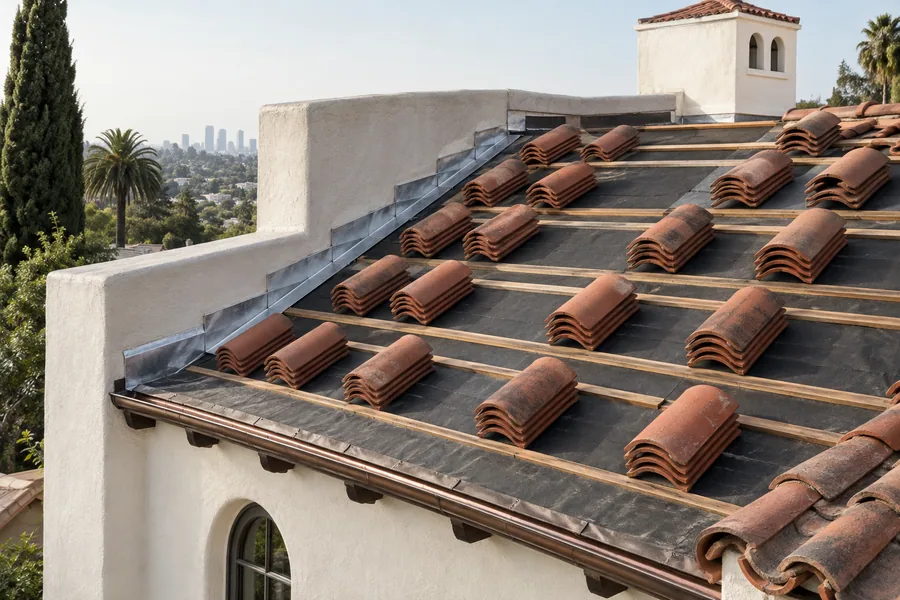
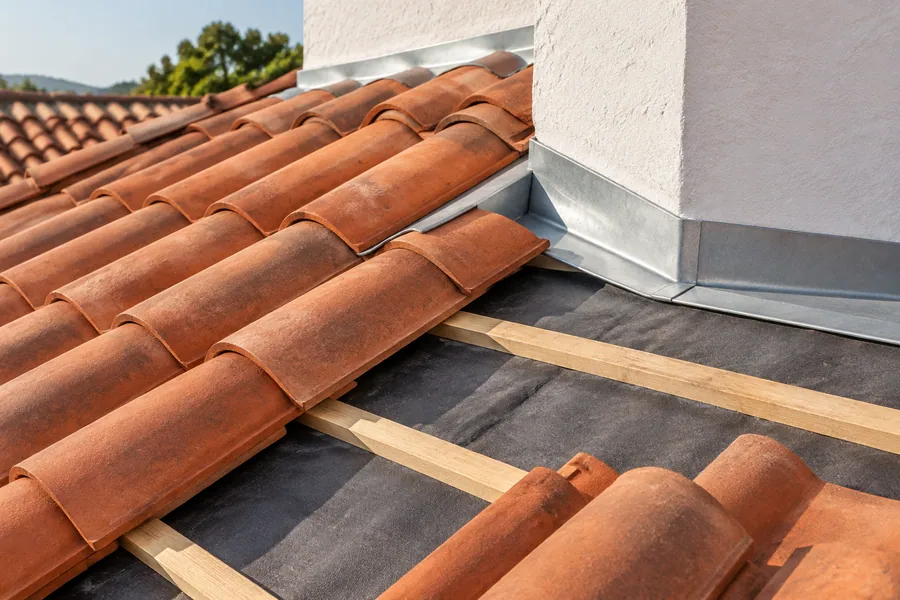
Clay and concrete tiles often outlast the felt beneath them. We lift the tiles, stack the sound ones, replace the underlayment and flashing, then re-lay them, adding matched tiles where pieces broke.
Your Spanish Revival roof keeps its look, and the leak path underneath gets fixed.

Panels on an aging roof have to come off again when that roof wears out. Replacing it first gives the panels a fresh deck, new flashing and a roof that won’t need work under them soon.
We coordinate dates with your solar installer, so the roof and the panels go on in order.
How it works
You choose the roof and approve the scope before a single shingle comes off.
We walk the roof where it’s safe, check the attic for stains and daylight, and photograph the flashing, vents and gutters for your scope.
We file the re-roof permit with LADBS or your city, confirm the cool-roof and fire-zone rules, and order the roofing to land with a dry forecast.
Crews strip the old roof, replace soft decking and lay underlayment the same day, so the house is never left open overnight.
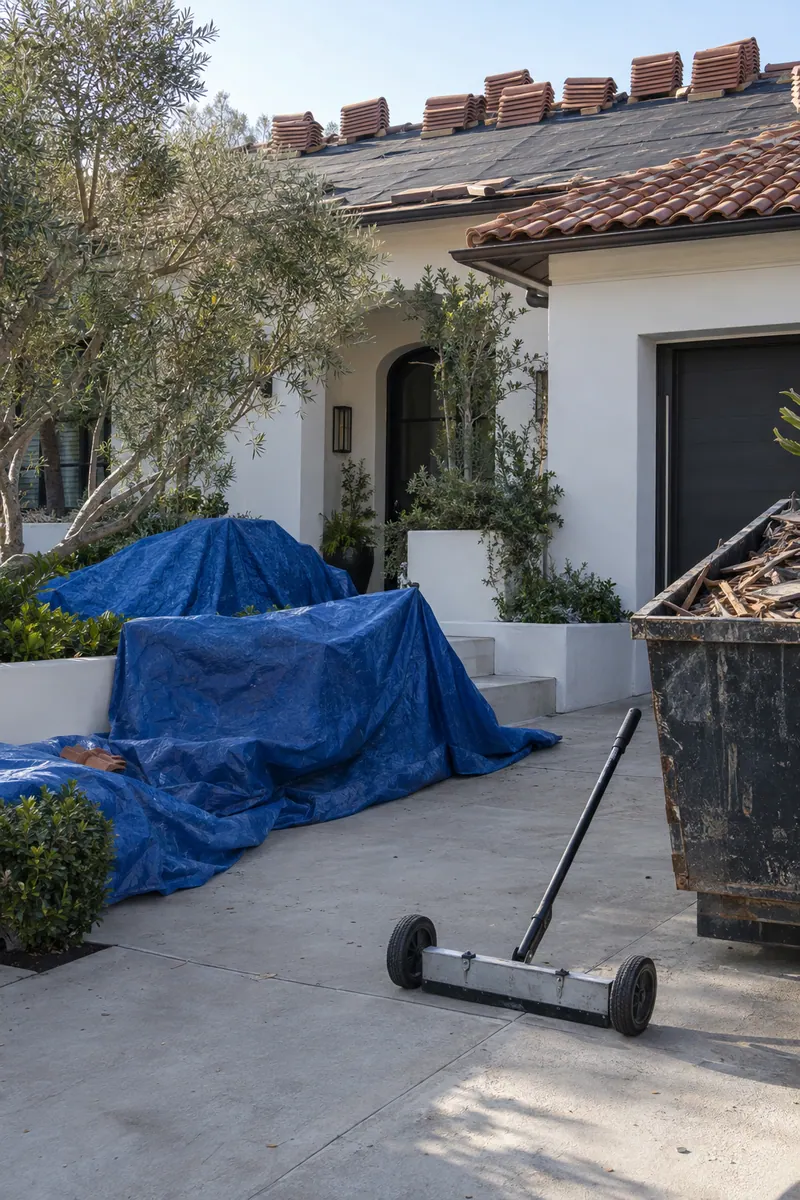
The roof covering, flashing, vents and gutters go on, the inspector signs off, and a magnetic sweep clears nails from the yard and driveway.
Roof systems
Roof slope, house style and the fire and energy rules decide which roof fits.
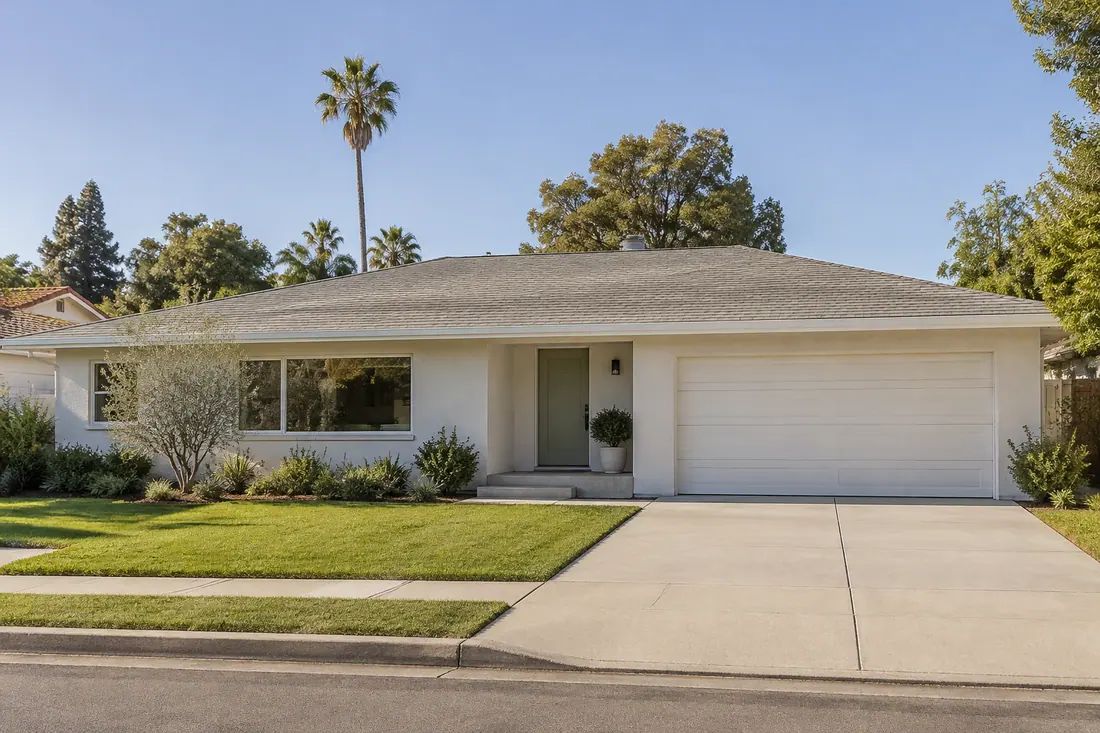
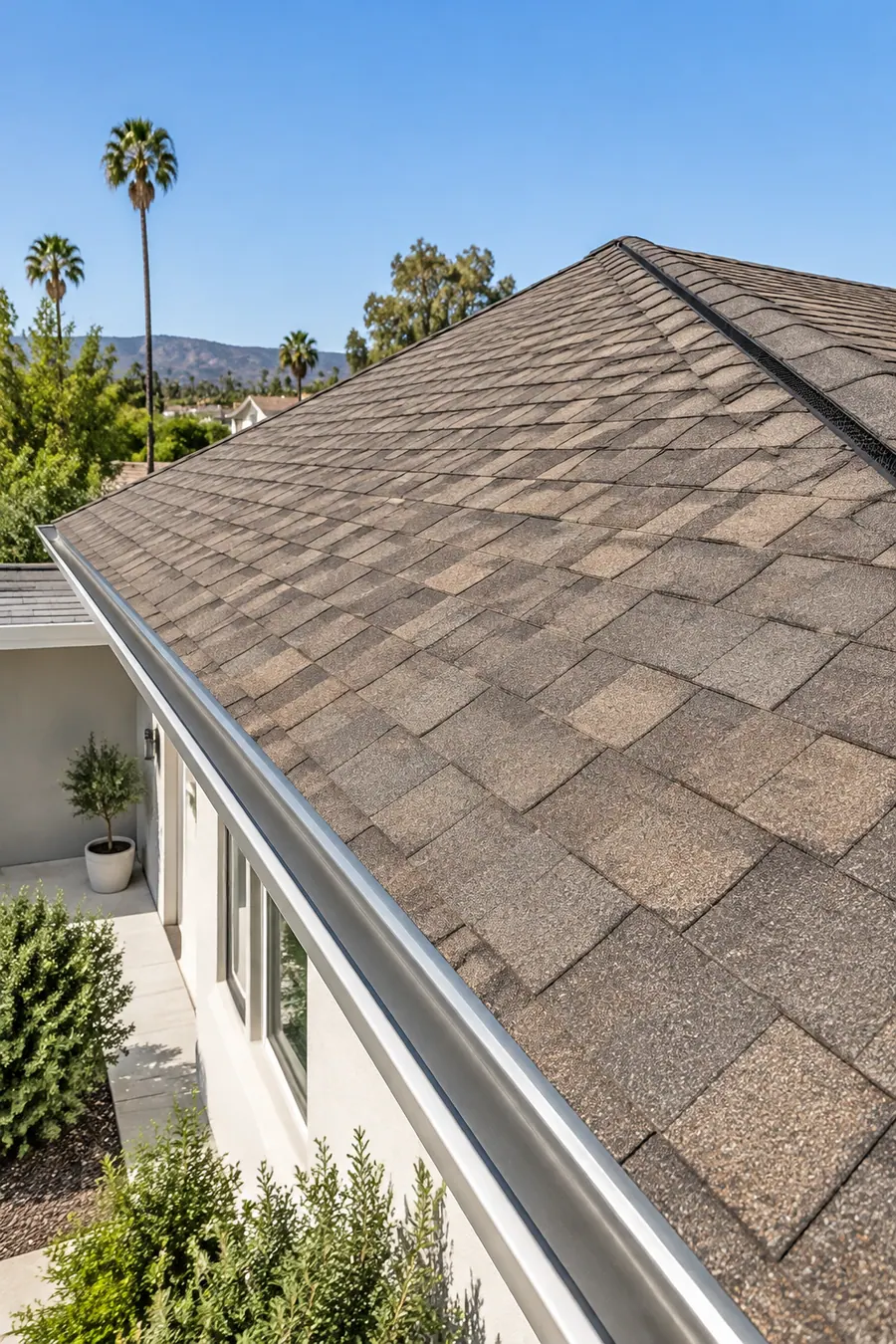
Architectural shingles suit ranch, Cape Cod and traditional homes, and they cost less than tile. They come with Class A fire ratings and in cool-rated colors that reflect more sun.
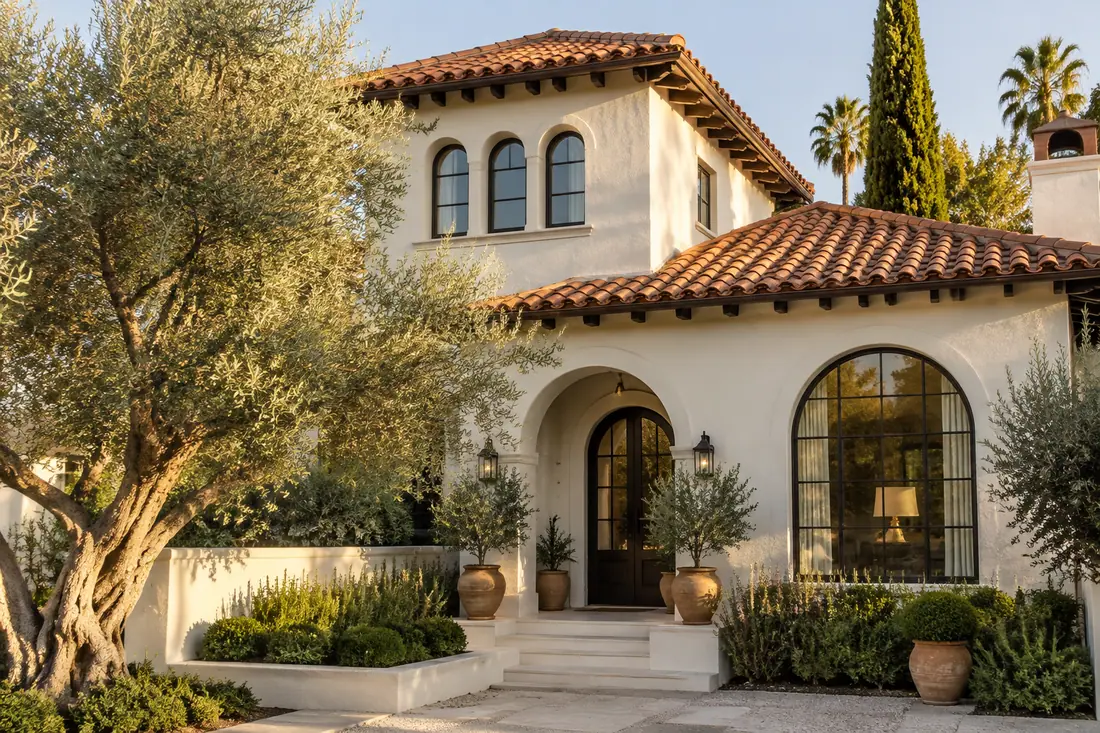
Tile belongs on Spanish Revival and Mediterranean homes, and the tile itself often outlives the layers under it. That’s why a tile roof job is mostly about the underlayment, battens and flashing beneath.
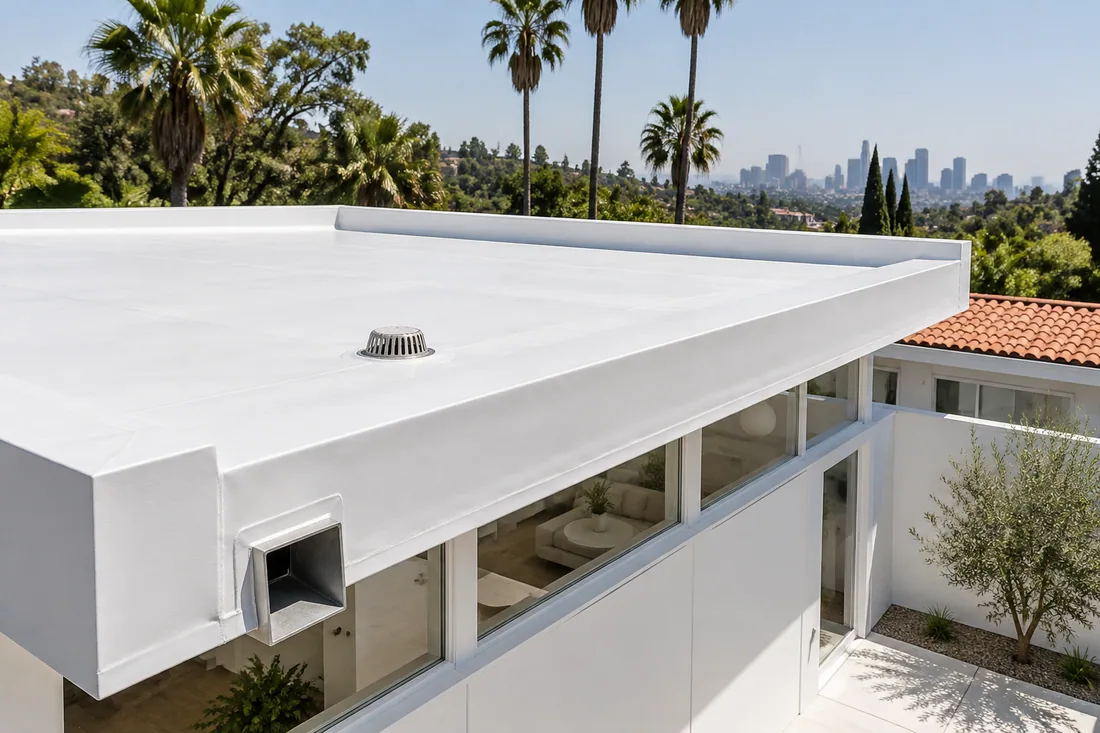
Mid-century and modern homes often have flat roofs that pond after rain. We replace them with a single-ply membrane such as TPO or with modified bitumen, and correct the slope so water reaches the drains.
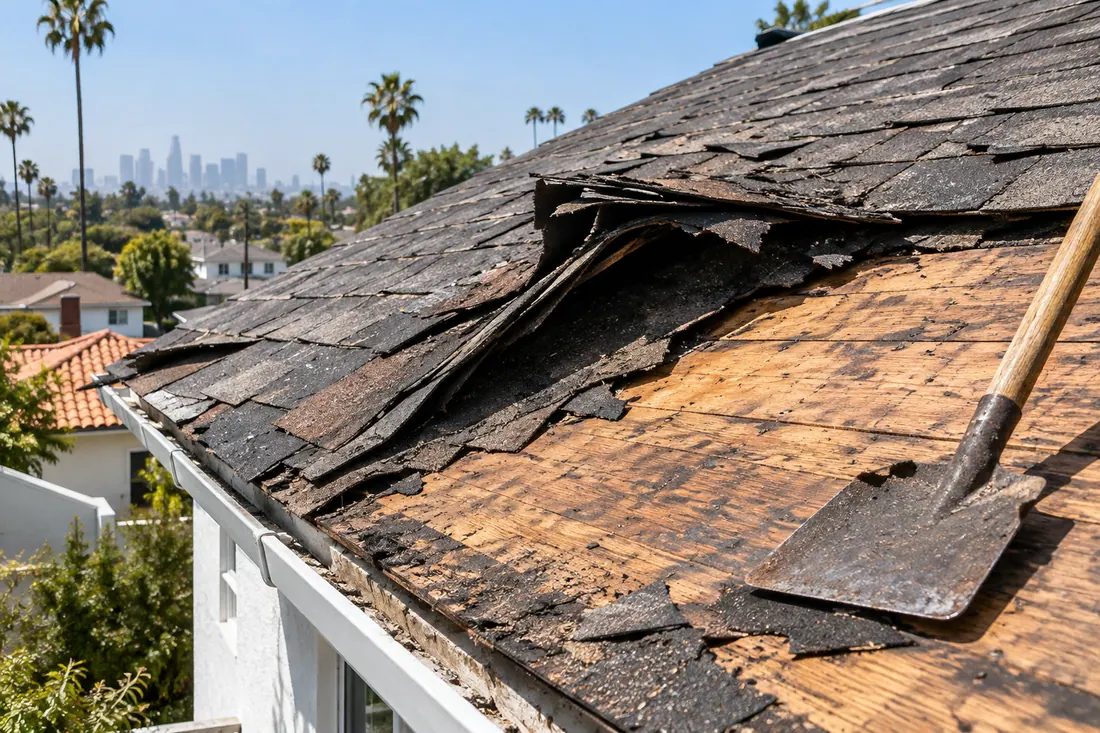
An overlay lays new shingles over the old layer, and a tear-off strips to the deck. We check what the code and your roof allow, and we usually recommend the tear-off, because it’s the only way to see the decking.
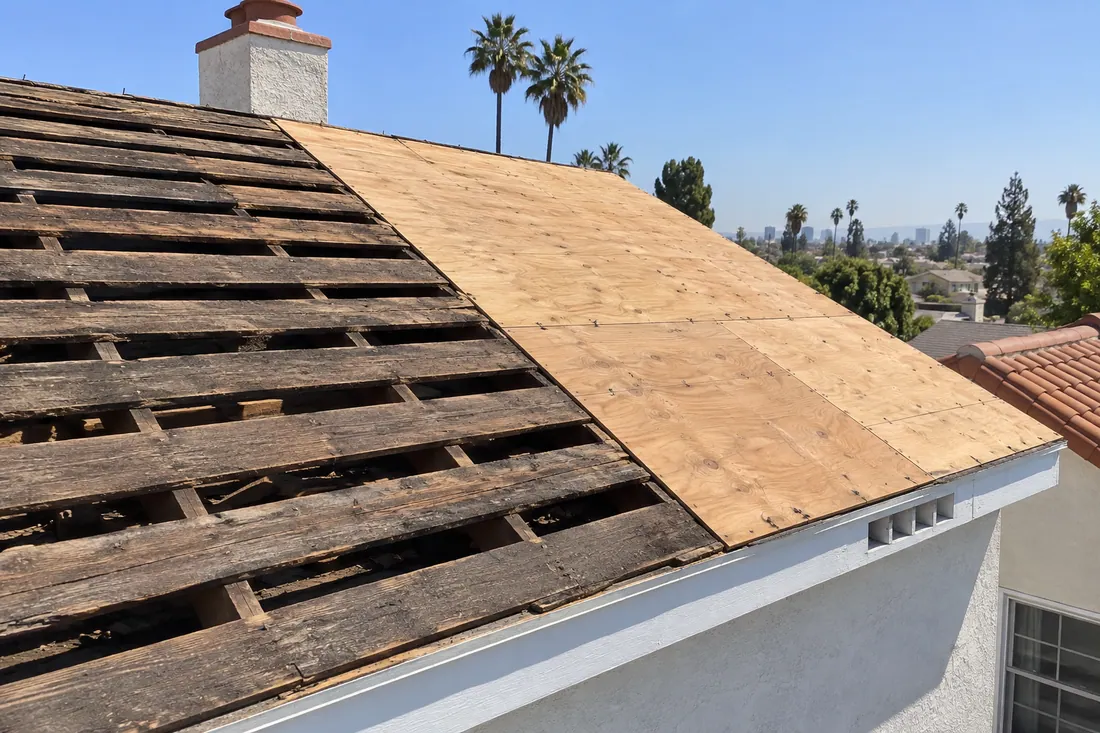
Soft or delaminated decking won’t hold nails, and older homes with skip sheathing may need new plywood before shingles. We replace bad boards, then set up attic ventilation with balanced intake and exhaust vents.
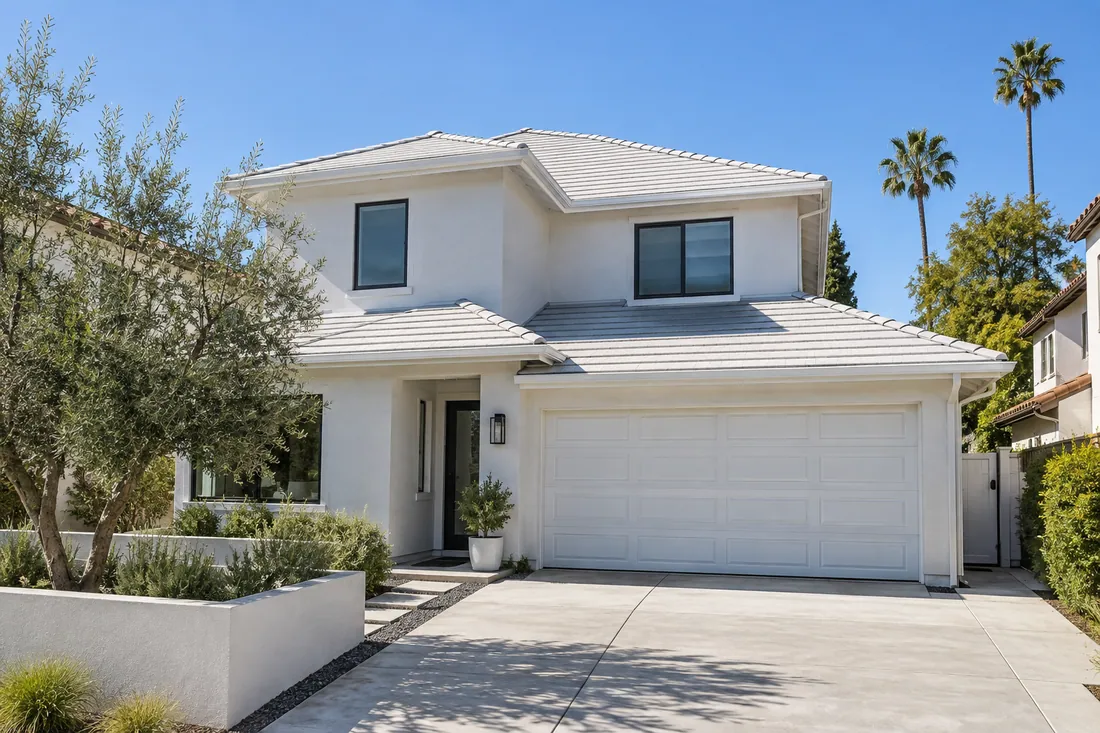
Title 24 can require a cool-roof product on a re-roof, depending on your climate zone, the roof’s slope and how much of it you replace. We check which rule applies and list the rated product on your estimate.
Tear-off day
Tear-off is the loudest, messiest and most weather-sensitive day of a re-roof. We plan it around the forecast and close the roof before the crew goes home.
Here’s how we protect the house:
If the deck shows rot or damage, we photograph it and price the repair before replacing it. You approve it in writing, and the new roof goes on over sound wood.
The code calls for a Class A roof in a Very High Fire Hazard Severity Zone. We confirm your parcel’s zone before you choose a material, so the roof passes inspection the first time.
Roof materials
Your roof’s slope and your house style narrow the choice before the budget does.
Roof type
Best for
Watch out for
Roof slope
Architectural asphalt shingle
Ranch, Craftsman and traditional homes
Darker colors run hot in the sun
Pitched roofs
Clay tile
Spanish Revival and Mediterranean homes
Weight, breakage and tired underlayment
Pitched roofs
Concrete tile
1980s–2000s stucco tract homes
Heavier than clay, so check the framing
Pitched roofs
Single-ply membrane (TPO)
Flat and low-slope roofs
Seams and ponding near the drains
Flat or low-slope
Modified bitumen
Flat roofs with rooftop equipment
Dark sheets may need a cool coating
Flat or low-slope
A Spanish Revival home looks wrong under shingles, and a ranch rarely needs the weight of tile.
Moving from shingles to tile adds load, so an engineer checks the framing before you switch.
Class A assemblies come in shingle, tile and membrane, so a fire zone doesn’t force one look.
If panels are coming, pick a roof that will outlast them and tell us the layout early.
A single visit covers a roof and attic check, an answer on tear-off or overlay and the rules that apply to your parcel, free.
Questions
Short answers on permits, materials, cool roofs, solar and rain.
Call us, and a project manager can tell you which signs to look for.
Most shingle re-roofs on a house take a few days on site once the permit is issued. Tile underlayment jobs and roofs with deck repair run longer, and rain days push the schedule.
Roof size, slope, the material and how many layers come off set the base. Deck repair, flashing, vents, gutters and permit fees follow, each priced on its own line in the estimate we write after the free visit.
Yes in the City of Los Angeles, where LADBS issues the re-roof permit and inspects the work. Outside the city, we confirm the rules with your city’s building department and pull the permit there.
Sometimes, on a single layer of asphalt shingles over a sound deck. We check what the code and your roof allow, but we usually recommend a tear-off, since it’s the only way to see and fix the decking.
It might. Title 24 sets cool-roof rules for some re-roofs by climate zone, roof slope and how much of the roof is replaced. We check what applies to your address and price a rated product when it’s needed.
If your roof is near the end of its life, yes. Pulling and resetting panels for a later re-roof adds a second job, so a new roof first lets the panels go on a deck that won’t need work soon.
We watch the forecast and strip only what we can cover that day. Underlayment goes down before the crew leaves, and if rain arrives early, tarps go over any open area.
We can, and it’s the right time to do it. A new drip edge and gutters go on together, so water leaves the roof edge cleanly, and we place the downspouts where the water needs to drain.
More exterior services
Roofing, windows, stucco and paint, scheduled so each trade protects the last.
Prep, primer and two coats once the new roof and trim are in.
Retrofit or full-frame windows, flashed into the wall after the roof is done.
From the blog
Now booking free in-home visits
Sound decking, new underlayment and tight flashing keep the next storm outside. Set up a free in-home visit and get a roof check plus a written, itemized estimate.
Mon–Sat, 8am–6pm
We check the roof, the attic and every flashing detail, then write up an itemized price. It costs you nothing.
Thanks — we got your request. We'll call you to set up your free in-home visit.